
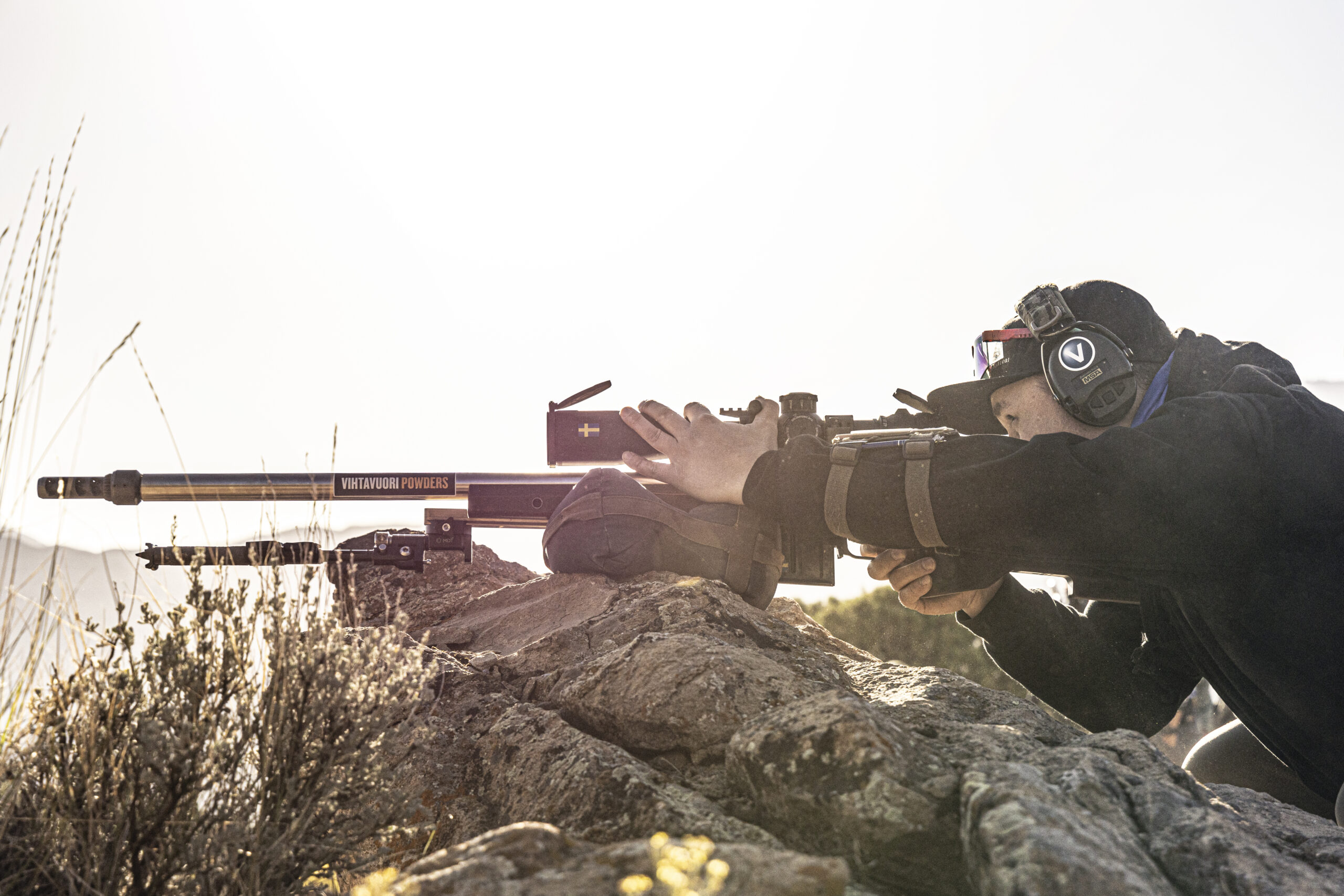
Precision Starts in Training: Oscar Järvi’s PRS Training Drills and Tips
01.12.2025
I’ve been competing in PRS-style competitions for almost ten years. What started as a curiosity for long-range shooting quickly turned into a full commitment to the precision rifle sport. Over the years, I’ve had the opportunity to compete at both national and international levels, representing Sweden in world championships and major matches across Europe and the U.S.
The 2025 season turned out to be one of my best so far. I qualified for the upcoming PRS World Championship in Texas and won the Swedish National Championship 2025, along with securing a top position in the European PRS series 2025.
Through countless stages and seasons, I’ve learned that success in PRS isn’t just about shooting, it’s about preparation, consistency, and mental control. I’ve spent years refining my approach to training and match strategy, focusing on efficiency and fundamentals rather than sheer volume of practice.
In both training and competition, I rely on Vihtavuori powders for their consistency and performance. Having a load that’s stable in all conditions gives me one less variable to worry about, allowing me to fully trust my ammo and focus on executing each shot.
These drills are meant as inspiration that you can build on and adapt to your own training. They’re for shooters who don’t always have access to longer ranges or challenging wind conditions. The goal is to make training as effective as possible, focusing on core skills that can be practiced even on shorter ranges.
1. Slow-to-Fast Drill
Start by running a stage slowly, without worrying about time. Focus on building a solid position using bone support rather than active muscle tension. Once your position feels consistent, alternate between slow and fast runs. The slow runs help ingrain the fundamentals and ensure your movements are precise. When switching to fast runs on time, keep the same position and technique while increasing tempo.
The purpose of this drill is to learn how to shift smoothly between full speed during movement and slowing down when it’s time to break the shot. It’s easy to get sloppy if you only focus on speed. this drill helps build control so every shot is executed cleanly even under pressure.
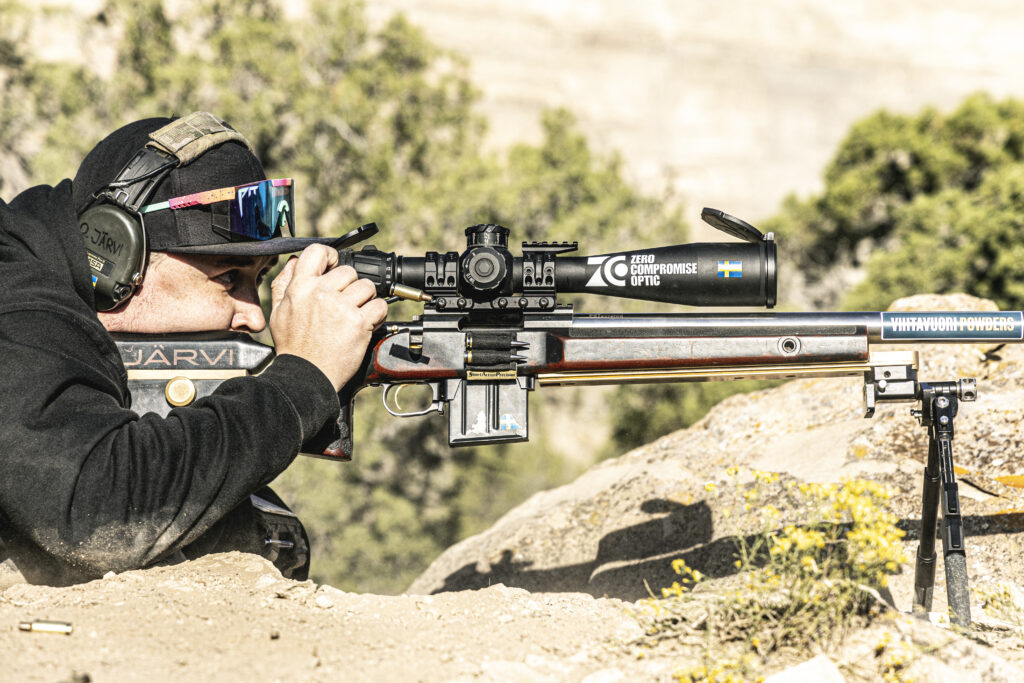
2. Large-Plate Drill (Short Range)
I like shooting small plates for precision, but sometimes larger plates are useful if you have limited range, (100-300 m) try using slightly larger steel plates (0.4-0.5 mil) to practice hitting the center. Bigger targets make it easier to see how the plate reacts on impact and help practice shot correction.
Always correct your next shot toward the center and call out where you think the last shot landed.
3. Simulated Wind Drill
Use this drill together with the Slow-to-Fast and Large-Plate drills for a complete session.
To practice wind reading, you can tape the wind tower or rotate it blind. This forces you to read your miss and make corrections for the next shot.
4. 100 m Dot Drill – immediate feedback
Shooting dot targets at 100 m gives instant feedback if there is any position you need to work on or other technique issues.
5. Efficient Training While Barrel Cools
Instead of scrolling on your phone while the barrel is cooling down, dryfire the stage first to rehearse positions, transitions, and trigger control.
About Oscar Järvi
Meet Vihtavuori’s sponsored PRS shooter Oscar Järvi, a dedicated competitor from northern Sweden and a committed student of a sport that never stops evolving. Since stepping into precision rifle competition in 2016, Järvi has steadily built his reputation through discipline, adaptability, and a passion for mastering the constantly shifting challenges of PRS. What began as an interest in long-range shooting quickly grew into a pursuit defined by refinement and progression, mirroring the sport’s own rapid development. Järvi’s approach reflects not only technical skill but a drive to keep improving season after season – an attitude that continues to push him forward on both national and international stages.